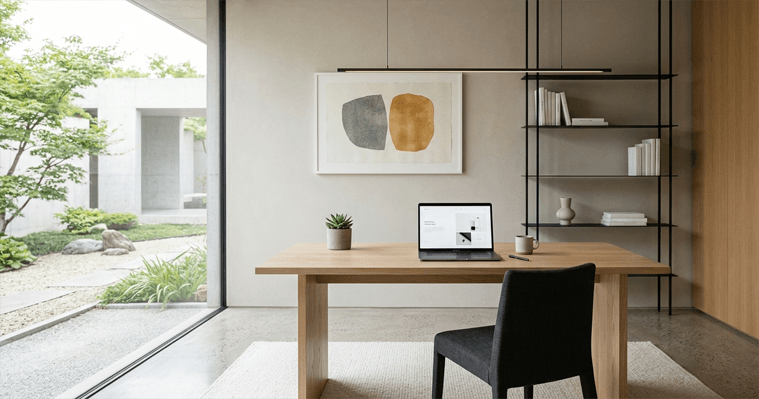
Minimalist Design is a timeless approach that emphasizes simplicity, clarity, and functionality. In today’s fast-paced, cluttered world, this style offers a refreshing escape by focusing only on what’s truly essential. Whether in architecture, graphic design, or interior spaces, Minimalist Design strips away the unnecessary and lets beauty shine through functionality.
A Brief History of Minimalist Design
The roots of Minimalist Design trace back to post-World War II art movements, particularly in Japan and later in the West. Influenced by Zen philosophy, Japanese minimalism emphasized harmony, balance, and the beauty of empty space. By the 1960s, artists and architects like Ludwig Mies van der Rohe popularized the “less is more” philosophy. This movement carried into modern architecture, digital design, and lifestyle trends, influencing how we perceive and create spaces today.
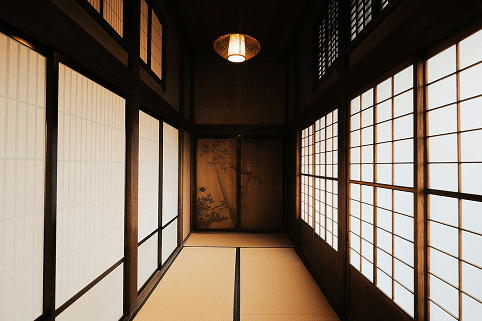

What Is Minimalist Design?
Minimalist Design is more than just an aesthetic choice—it’s a philosophy that values intentionality. Its core elements include:
- Clean Lines: Avoiding unnecessary decoration.
- Neutral Colors: Soft whites, blacks, and muted tones dominate.
- Functional Layouts: Every element serves a purpose.
- Quality Over Quantity: Fewer, better pieces.
In web design, Minimalist Design often means fast-loading pages, clear typography, and intuitive navigation. In interiors, it means decluttered rooms with just enough furniture to be functional and comfortable.
10 Proven Tips for Achieving Minimalist Design

1. Focus on Functionality First
Every object or design element should have a clear purpose.
2. Limit Your Color Palette
Stick to neutral shades with occasional accents to maintain harmony.
3. Embrace Negative Space
Empty space is not wasted space—it adds balance and focus.
4. Choose Quality Over Quantity
A few well-made items are better than many cheap ones.
5. Simplify Typography
Select clean, legible fonts without unnecessary flourishes.
6. Remove Visual Clutter
Avoid overcrowding your designs or spaces.
7. Highlight Essential Elements
Draw attention to what truly matters in your layout.
8. Use Consistent Shapes and Patterns
Repetition creates harmony and visual order.
9. Blend Technology Seamlessly
In modern spaces, integrate tech without disrupting the design.
10. Stay True to the “Less Is More” Principle
Regularly reassess your space or design to ensure it’s not becoming cluttered again.
Minimalist Design in Daily Life
Minimalist Design isn’t limited to visual aesthetics—it extends into lifestyle choices. Minimalism encourages mindful consumption, reduced waste, and focusing on experiences rather than possessions. By adopting minimalist principles in your home, wardrobe, and even digital life, you can reduce stress and create a sense of calm.

Resources and Further Reading
If you want to explore Minimalist Design further, check out: